
Catappa Leaves Troubleshooting: How to Prepare Leaves and Prevent Mold
POSTED ON DEC 5, 2025 | TOPIC: PREPARATION & FAQ
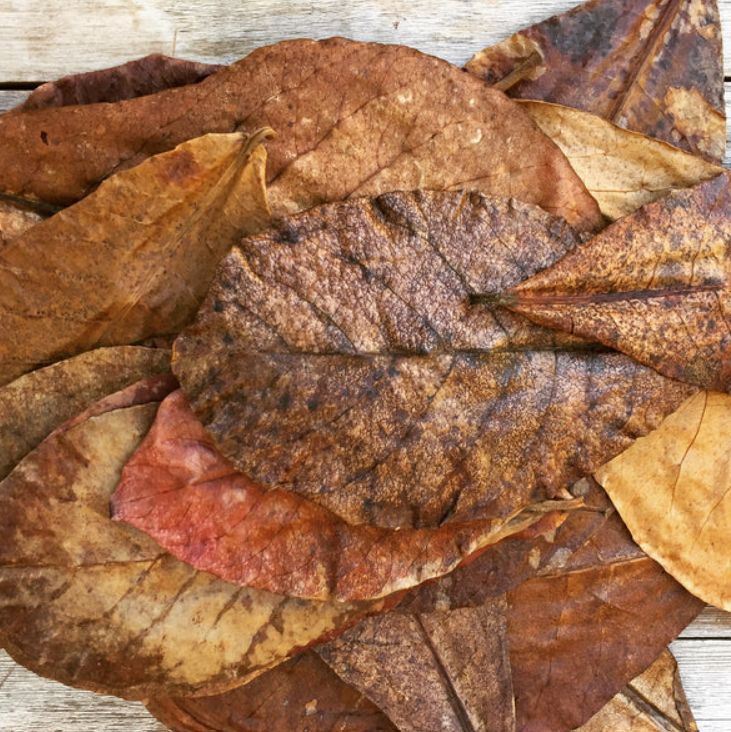
While Indian Almond Leaves (Catappa) are simple to use, new hobbyists often face common issues like floating leaves or white mold after storage. As a premium supplier, we believe in empowering our clients with the knowledge needed for perfect results every time. Here is our essential troubleshooting guide.
Preparation Guide: Making Catappa Leaves Sink Instantly
Dried Catappa leaves are buoyant due to air trapped within the cellulose structure. If your customer wants the leaves to sink immediately, recommend these quick preparation steps:
- Boiling (15 minutes): The quickest method. Boiling sterilizes the leaf further and releases tannins instantly. Note: This leaches some color and tannins, so the effect is immediate but shorter-lived.
- Soaking (12-24 hours): A gentler method. Soak the leaves in a container of clean water overnight. The leaves will absorb water and sink easily when added to the tank. This is ideal for sensitive species.
- Baking/Weighting: For terrariums (where boiling is unnecessary), briefly moisten the leaves and place a small, sterile rock or driftwood piece on top to flatten them into the leaf litter substrate.
Long-Term Storage: How to Prevent Mold on Leaves
Mold generally forms if the leaves are exposed to humidity after drying, which can be an issue if customers buy in bulk. Our leaves are packaged with low moisture content to combat this, but storage matters:
- Air-Tight Container: Always store unused leaves in a sealed plastic bag or container, away from direct sunlight and humidity.
- Avoid Refrigeration: Extreme temperature changes can introduce condensation and moisture, encouraging mold growth. Store at room temperature.
- Check Packaging: If the original vacuum packaging is compromised or the customer lives in a highly humid environment, recommend a final quick bake (30 minutes at 150°F / 65°C) to reduce residual moisture before long-term storage.