
The Breeding Secret: Why Apistogramma & Rams Need Catappa Leaves
POSTED ON OCT 27, 2025 | TOPIC: CICHLID SPECIALIST
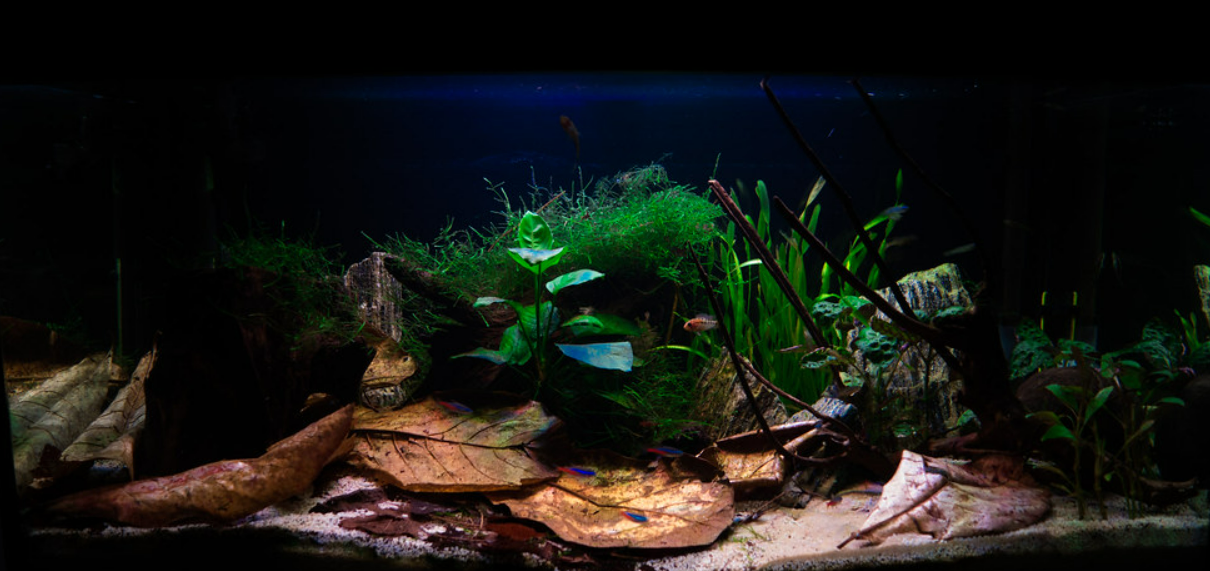
If you are keeping South American Dwarf Cichlids like Apistogramma, Ramirezi (German Blue Rams), or Checkerboards you know they are notoriously fussy. They often spawn, but the eggs disappear or turn white (fungus) within days.
The missing link in your breeding tank isn't better food or expensive filters. It's the humble Indian Almond Leaf (Catappa). Here is why this specific leaf is non-negotiable for serious Cichlid keepers.
1. The "Anti-Fungus" Shield for Eggs
Dwarf Cichlids lay their eggs on flat surfaces or inside caves. In high pH or clean tap water, these eggs are prone to fungal attacks (Saprolegnia).
Catappa leaves release powerful tannins that have natural fungicidal properties. By placing a leaf near the spawning site, you create a sterile zone around the eggs, drastically increasing the hatch rate.
2. Simulating the Amazon "Blackwater"
In the wild Rio Negro, the water is dark brown and highly acidic (pH 4.0-5.0).
Catappa leaves are the most efficient natural way to lower your pH and tint the water. This dark environment does two things:
- Reduces Stress: Bright lights stress Cichlids out. Dark water makes them feel safe.
- Color Enhancer: The iridescent blues and reds of a German Blue Ram or Apistogramma Agassizii glow intensely against the dark tea-colored water.
3. The Perfect Spawning Site
While some Apistos use coconut caves, many species (and especially Mikrogeophagus ramirezi) prefer to lay eggs on a flat, movable surface.
A sunken Catappa leaf provides the perfect natural "plate" for laying eggs. If the male becomes too aggressive, the female can easily hide underneath the leaf, breaking the line of sight and saving her from injury.
Pro Tip for Cichlid Keepers
Don't boil the leaves too much! For Dwarf Cichlids, you want the tannins. Rinse the leaf briefly and add it straight to the tank. Let it leach slowly to maintain stable water parameters during the breeding cycle.