
Microfauna, Diet, and Catappa: The Secret to a Self-Sustaining Blackwater Ecosystem
POSTED ON DEC 8, 2025 | TOPIC: AQUATIC BOTANICALS & ECOSYSTEM HEALTH
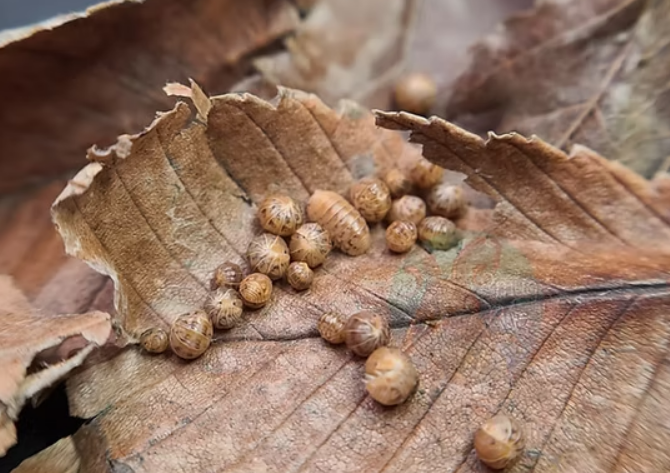
True aquatic excellence goes beyond water chemistry; it lies in the creation of a living, self-sustaining ecosystem. At the heart of this system is microfauna tiny, beneficial organisms like copepods, rotifers, and infusoria. These creatures are vital as a natural food source and biological filter. We, as a premium supplier, understand that Indian Almond Leaves (Catappa) are the single best resource to cultivate this essential micro-life.
Catappa: The Foundation for Microfauna Prosperity
For fish breeders and shrimp keepers, maintaining a steady supply of microfauna is often challenging. Catappa leaves solve this problem by providing a perfect biological scaffolding:
- Detritus & Biofilm Base: As our high-quality sun-dried leaves break down, they create detritus and promote the growth of complex biofilm, the primary diet for most microfauna.
- Spawning & Fry Food: A massive bloom of microfauna means live food is instantly available for newly hatched fry (baby fish) and shrimplets, dramatically increasing survival rates.
- Habitat Mimicry The leaf litter floor creates micro-pockets of safety and concentrated food sources, encouraging consistent microfauna reproduction.
The Role of Microfauna in Optimal Aquatic Diet
While commercial foods are necessary, nothing beats the nutritional completeness of natural, live food. Microfauna provide essential nutrients that benefit specific aquatic pets:
- Shrimp (Caridina/Neocaridina):They graze constantly on the biofilm supported by Catappa, improving their immune health and contributing to successful molting.
- Betta Fish & Small Tetras: Microfauna serve as a crucial supplement, encouraging natural foraging behavior and providing highly digestible protein.
- Wild-Caught Species:For species recently imported or those notoriously difficult to feed, a tank rich in microfauna often helps them transition and accept prepared foods.
Wholesale Insight: The clean, consistent quality of our leaves ensures they decompose slowly, providing a stable, long-term food source for microfauna without causing rapid water parameter swings a key difference for commercial breeders.
Integrating Catappa for Microfauna Bloom
To achieve a thriving microfauna population, responsible Catappa application is key:
- Leaf Placement: Distribute the leaves across the substrate to maximize surface area for colonization.
- Water Parameter Monitoring: Use the tannins to gently lower the pH (ideal for many microfauna species) but monitor to ensure stability.
- Rotation: Replace only 50-75% of the leaves at a time to ensure a continuous breakdown cycle and prevent a crash in microfauna numbers.